
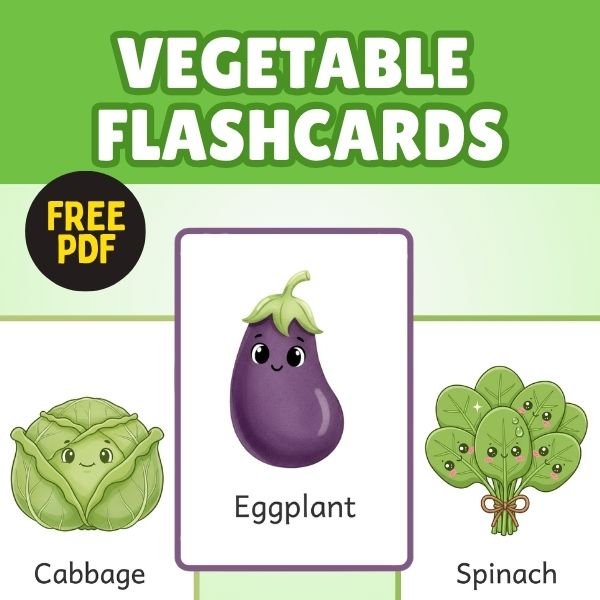
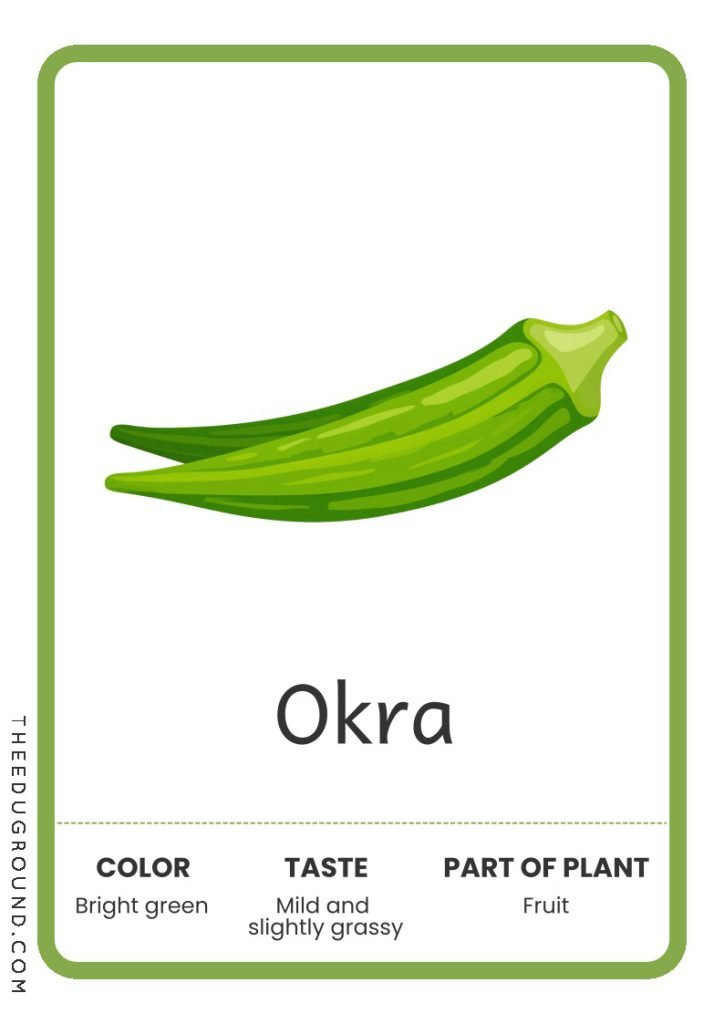
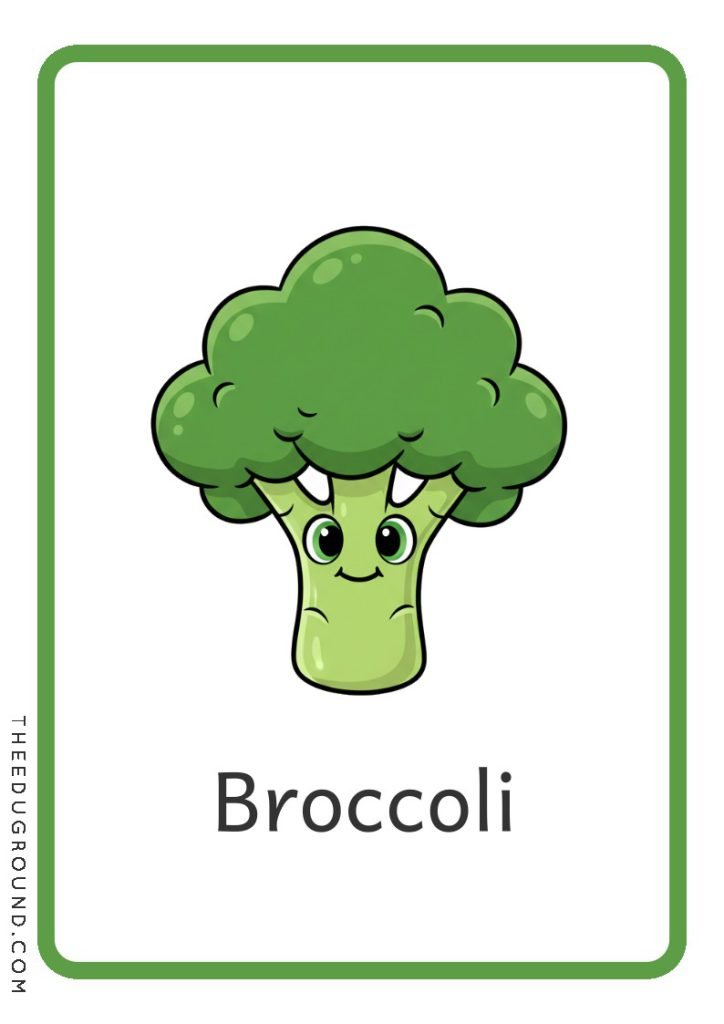
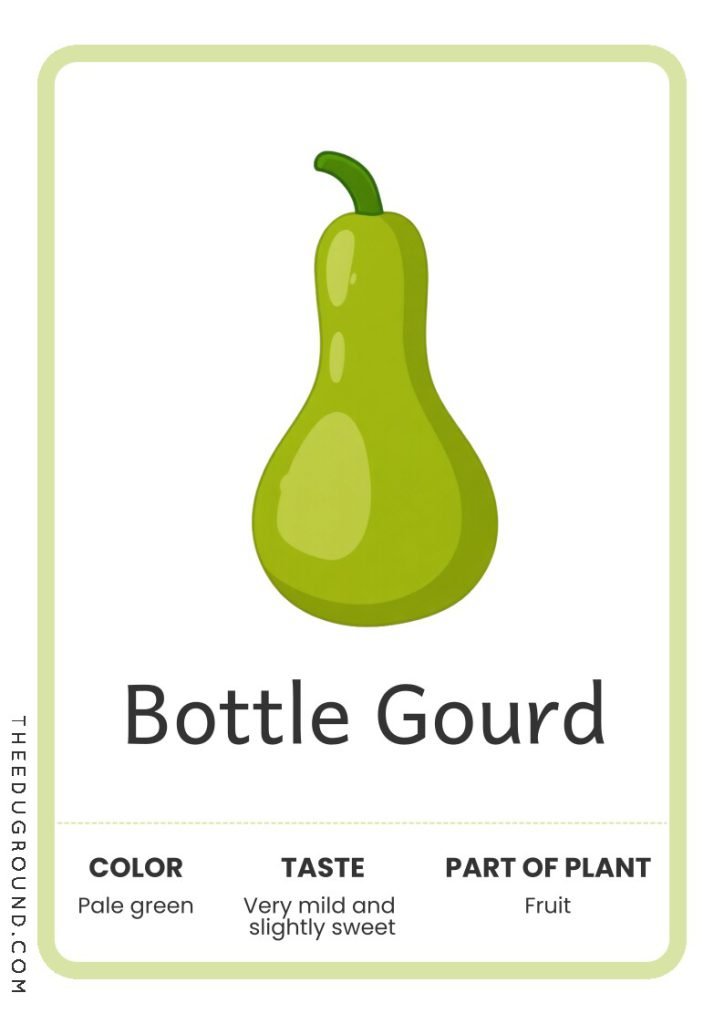
Learning the names of vegetables can be simple, playful, and directly connected to the real world. These vegetable flashcards for toddlers and young learners give parents and educators a practical way to build food vocabulary, encourage healthy eating, spark dinner table conversation, and explore early plant science.
Whether you need a distraction-free introduction or a deeper look into plant parts and taste profiles, this free printable vegetable flashcards pdf offers a flexible learning resource for both home and classroom use.
What’s Inside the PDF
You get 27 printable cards organized across two distinct learning versions:
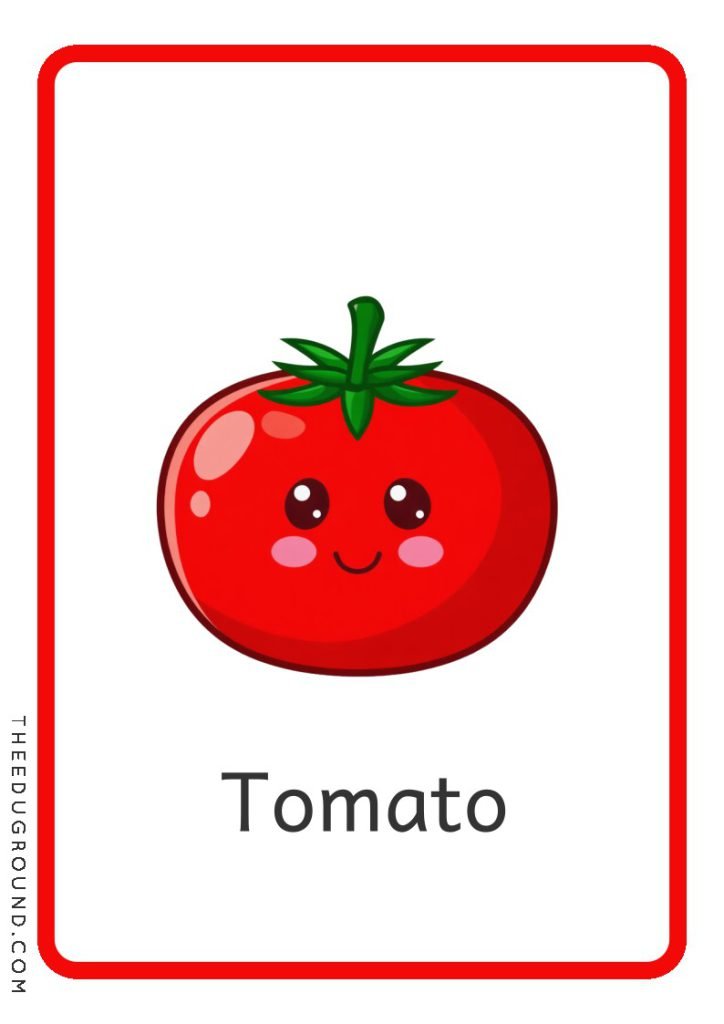
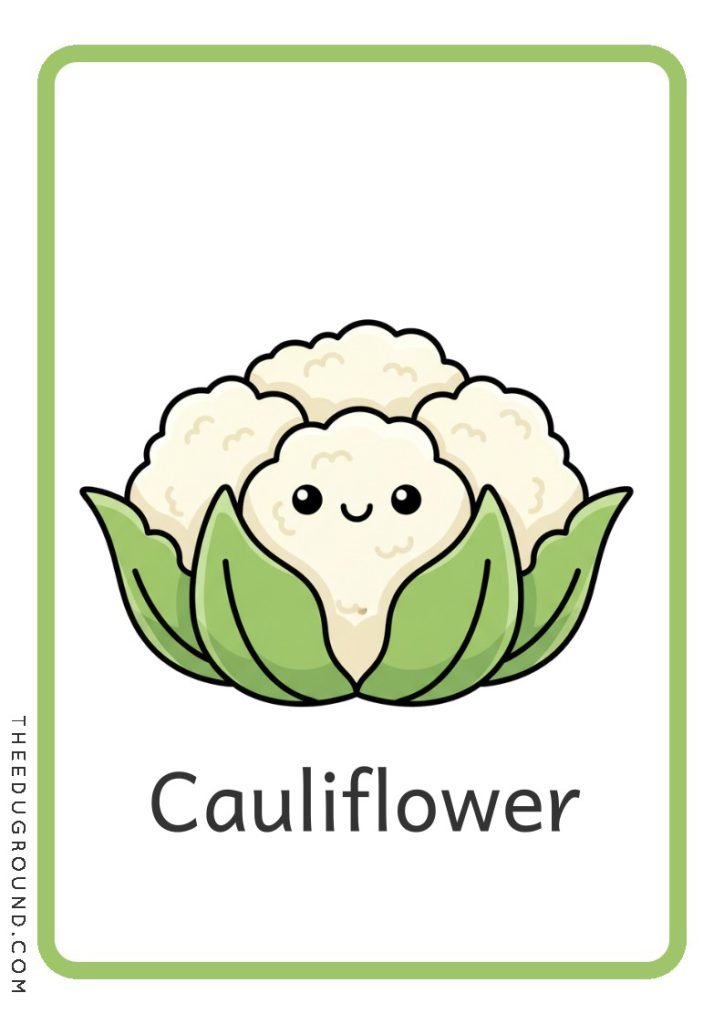
- Version 1 – Vegetable + Name: Features a clean watercolor illustration and the bold vegetable name. Minimalist and uncluttered—perfect for first introductions, flashcard matching, and pantry scavenger hunts. (Best for ages 2–5)
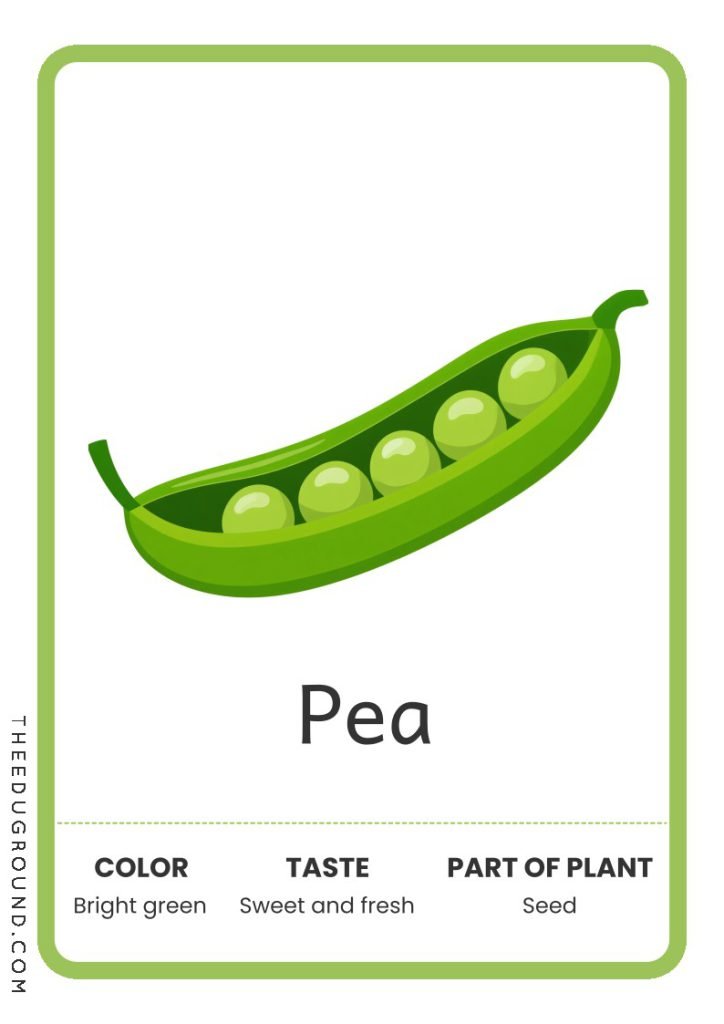
- Version 2 – Vegetable + Name + Color + Taste + Part of Plant: Features the same 27 vegetables with added science details: the color, the flavor profile (sweet, earthy, mild, tangy), and the botanical plant part (root, stem, leaf, flower, fruit, or seed). (Best for ages 4–9)
27 Vegetables Across 3 Plant Groups
- Root Vegetables (9 Cards): Carrot, Potato, Beetroot, Radish, Turnip, Sweet Potato, Ginger, Onion, Garlic.Introduces vegetables that grow underground, absorbing minerals directly from the soil.
- Leafy & Stem Vegetables (5 Cards): Spinach, Cabbage, Lettuce, Asparagus, Spring Onion.Focuses on edible green foliage and crunchy stalks.
- Above-Ground Vegetables (13 Cards): Tomato, Broccoli, Cauliflower, Corn, Peas, Cucumber, Pumpkin, Bell Pepper, Eggplant, Zucchini, Okra, Bottle Gourd, Bitter Gourd.Explores vegetables that bloom, climb, and grow above the soil.
Practical Ways to Use These Flashcards
- Kitchen & Grocery Scavenger Hunt: Give your child a card from the pack before heading to the kitchen or produce aisle. Have them spot the matching vegetable, compare its real-life color to the card, and talk about its texture. Pair these with our free printable fruit flashcards to create a complete healthy food sorting activity for home or classroom.
- Plant-Part Sorting Game: Lay out category labels on a table (Roots, Leaves/Stems, Above-Ground) and invite children to sort the cards into where each vegetable grows on a plant.
- Mealtime Taste & Texture Discussion: When serving dinner, place the corresponding Version 2 card next to the plate. Read the taste notes together and ask your child if they can taste the flavor profile described on the card.
- Pretend-Play Farmers Market: Set up a mini grocery stand using play food or real produce. Have learners use the vegetable flashcards as price tags, recipe cards, or visual shopping lists.
Frequently Asked Questions
This resource is designed for ages 2 to 9 (preschool through 4th grade). Version 1 is ideal for toddlers and preschoolers building early food vocabulary, while Version 2 provides science and botany facts suitable for kindergarten and elementary students.
The 27 cards are divided into three logical growing categories: Root Vegetables (9 cards), Leafy & Stem Vegetables (5 cards), and Above-Ground Vegetables (13 cards).
Simply click either download button above to open and save the high-resolution PDF file directly. It is 100% free to print for personal, homeschool, or classroom use—no email or sign-up required.